
How Much Does a Private Pilot License Cost in 2026?
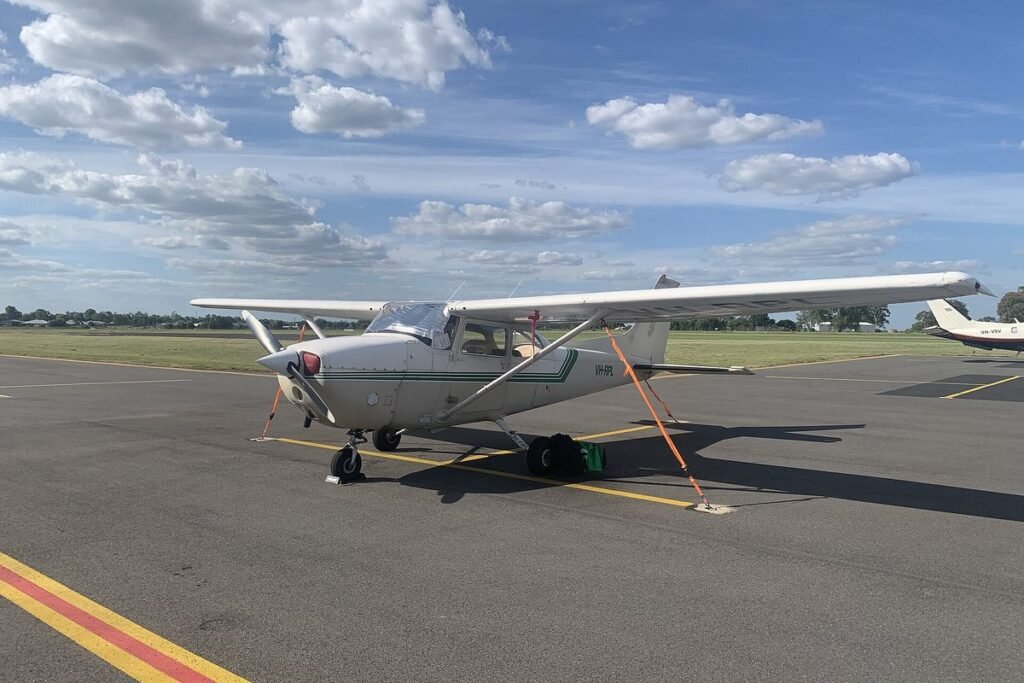

The private pilot license cost in 2026 lands between about $14,000 and $20,000 for most US students, and Redbird’s 2026 State of Flight Training report put the median above $16,000. The single biggest variable is not the school’s price list but the number of hours you need, which usually ends up between 55 and 75 against an FAA minimum of 40. Airplane rental makes up roughly two thirds of the bill, the instructor most of the rest.
Aircraft rental: about $180 an hour, and it adds up fastest
Flight schools rent training aircraft “wet,” meaning fuel is included, and bill by the Hobbs or tach hour. Redbird’s survey found a median of about $180 an hour for a training airplane such as a Cessna 172 or Piper Archer, around $225 for more advanced aircraft, and $385 for a twin. Older Cessna 152s still rent for less where schools keep them, while a glass-cockpit 172 in an expensive metro area can pass $250.
The rate you see is rarely the only line on the invoice. Ask about fuel surcharges, landing fees at towered fields and minimum daily charges for overnight trips. Some schools discount prepaid blocks of hours, so ask.
Flight instructor rates: $60 to $90 an hour
Most instructors charge $60 to $90 an hour, billed for the flight and usually for the briefing and debriefing on the ground too. On a typical lesson of 1.3 hours in the air, you might pay 1.8 or 2 hours of instructor time. You will fly most of your hours with the instructor beside you: the FAA only requires 10 hours of solo, and the rest of the syllabus is dual.
A good instructor saves money even at a higher rate. One who briefs clearly and keeps you on a syllabus can cut ten hours off the total, and ten hours of airplane plus instructor is roughly $2,500.
Tests, fees and gear outside the airplane
Medical, written exam, checkride
- Third-class medical: $100 to $200 at an aviation medical examiner, valid 60 months if you are under 40.
- Student pilot certificate: free, through the FAA’s IACRA system.
- FAA written test: $175 at a PSI testing center, 60 questions, 70% to pass.
- Ground school: about $160 to $350 for a reputable online course, which also provides the endorsement to sit for the exam.
- Checkride examiner fee: Redbird found that 52% of designated pilot examiners charged $800 to $1,000 in 2026, and some areas with few examiners run higher. Add the airplane for the flight portion, usually 1.5 to 2 hours.
Gear and software: $500 to $1,800
Gear is where you can spend almost anything. A sensible kit looks like this:
- Headset: a passive David Clark H10-13.4 runs about $370 to $440; an active noise-canceling Bose A30 is $1,299. Many schools lend headsets for the first few lessons, so there is no hurry.
- Books and tools: FAR/AIM, a plotter, an E6B, a kneeboard and a paper logbook, around $150 to $250 in total, often sold as a kit.
- EFB app: ForeFlight Starter costs $130 a year and Garmin Pilot Standard $109.99, both with a 30-day trial. You will not need one until cross-country planning, a few months in.
I flew my first lessons with a borrowed headset and bought my own only once I knew I was sticking with it. That ordering is worth copying.
Private pilot budget for 45 and 70 hours
The table runs two realistic scenarios at a $180 rental rate and a $75 instructor rate. Instructor hours include ground briefings, which is why they exceed dual flight time.
| Item | Fast student (45 h) | Typical student (70 h) |
|---|---|---|
| Aircraft rental | 45 h: $8,100 | 70 h: $12,600 |
| Instructor (dual + ground) | 40 h: $3,000 | 68 h: $5,100 |
| Online ground school | $300 | $300 |
| Knowledge test | $175 | $175 |
| Medical exam | $150 | $150 |
| Headset, books, tools | $600 | $600 |
| EFB subscription, first year | $130 | $130 |
| Examiner fee | $900 | $900 |
| Airplane for the checkride | $360 | $360 |
| Total | about $13,700 | about $20,300 |
A failed checkride means a retest fee set by the examiner plus a couple of extra hours of airplane. Price that risk in rather than discovering it in the last month.
Why most students need 60 to 75 hours instead of 40
The 40-hour figure is a legal minimum under Part 61 (35 hours in a Part 141 program), and the checkride standards do not shrink to fit it. Hours pile up for predictable reasons:
- Gaps between lessons. Flying once every two weeks costs refresher time at the start of each flight. Weather and maintenance cancellations make it worse.
- Landings. Consistent landings, especially crosswind and short-field, are where most students plateau.
- Radio work. Towered airports and busy Class C or Class B airspace take practice. Listening to live tower and approach frequencies at home costs nothing and shortens that learning curve.
- Changing instructors. Each switch costs a few hours while the new CFI figures out where you are.
Where you train changes the bill
The same 70 hours can cost several thousand dollars more or less depending on the airport. Three factors move the number most:
- Region. Coastal metro areas such as California, the New York area and Hawaii carry higher rents, insurance and fuel prices, and the rental rate follows. Small Midwestern and Southern airports are often the cheapest places to rent a 172.
- Airport type. Training at a busy towered field means more time taxiing, holding short and waiting for departures, all on the Hobbs meter. A quiet nontowered airport 20 minutes away may give you twice as many landings per hour.
- Weather. Desert and southern schools lose fewer days to ceilings, icing and thunderstorms. Fewer cancellations means fewer refresher hours, which is part of why accelerated programs cluster in Florida, Arizona and Texas.
A long drive to a cheaper field can still lose money once you count the gas and the hours on the road. Compare the full cost per lesson, not the rental rate alone.
Monthly cash flow at two or three lessons a week
Most people pay as they go, so the useful number is what training does to a monthly budget. A lesson of 1.3 hours in the airplane plus 2 hours of instructor time comes to about $385 at the rates above. Two lessons a week works out near $3,300 a month, and three lessons a week near $5,000.
At two lessons a week, a 70-hour student finishes in roughly six to seven months, which matches the 24-week median in Redbird’s data once cancellations are counted. Stretching to one lesson a week does not halve the monthly bill without consequence: it adds refresher time and can push the total several thousand dollars higher. If cash is tight, saving first and then flying intensively is usually cheaper than flying slowly.
Ways to cut the cost of flight training
- Fly three times a week during the first 20 hours, when skills fade fastest. Fewer total hours beats a cheaper rate.
- Join a flying club. Clubs usually rent the same aircraft for less than a commercial school and allow independent instructors.
- Chair-fly and use a home simulator for checklists, radio calls and the traffic pattern. It will not teach you to flare, but it saves airplane hours spent on procedures.
- Apply for scholarships. The AOPA Foundation, EAA and many local pilot associations award flight training scholarships every year.
- Do not prepay large sums. Pay as you go or prepay small blocks. When a school closes, prepaid money is hard to recover.
I would also put a discovery flight first in line. Spending $150 to $250 to confirm you like small airplanes, and the school, beats a $16,000 commitment made on enthusiasm alone.
FAQ
Can you get a private pilot license in 40 hours?
It happens, mostly with full-time students flying almost every day, but it is rare. Plan your budget on 55 to 75 hours and treat anything lower as a bonus.
Is a private pilot license cheaper under Part 141?
The legal minimum drops from 40 to 35 hours, yet real totals depend on how often you fly. Part 141 schools often charge more per hour for their structure and stage checks, so the final bill tends to come out similar.
How much does it cost to fly after you get your license?
Renting a Cessna 172 at around $180 an hour wet, two hours a month comes to roughly $360, plus a flight review every 24 calendar months and renters insurance if you want it. Owning an airplane changes the math completely, with insurance, hangar and annual inspections as fixed costs.
Can you finance pilot training?
Yes. Specialized aviation lenders and some banks offer flight training loans, and many academies partner with lenders for their career programs. For a private certificate, most people pay as they go, which spreads the cost over six months to a year.
Keep exploring
- Learn to FlyBest Online Ground Schools for the FAA Written Test
- Learn to FlyHow to Become a Pilot: Licenses
- Learn to FlyDiscovery Flight: Cost
- Air TravelBest Websites for Finding Cheap Flights
- Aviation CareersHow to Become a Flight Attendant: Requirements and Pay
- Aviation News & MediaAviation YouTube Channels Worth Subscribing To
- Flight SimulatorsCan a Flight Simulator Help You Learn to Fly?