
Discovery Flight: Cost, Length and Flying the Plane Yourself
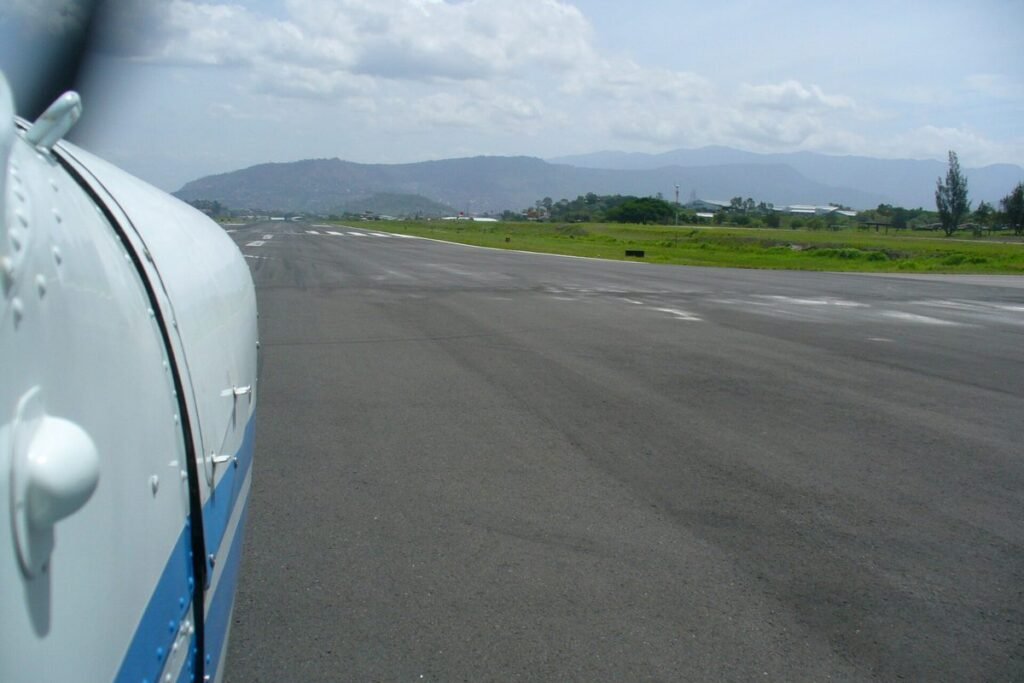

A discovery flight is a short introductory lesson in which a flight instructor lets you fly a small airplane, usually a Cessna 172 or a Piper, for 30 to 60 minutes. Most US schools charge between about $150 and $300 for it, and if the person in the right seat is a certificated instructor, the time can go in your logbook as dual instruction toward a private pilot license. For the price of a nice dinner for two, you learn whether small airplanes are for you, and whether that school is.
Discovery flight cost: $150 to $300 at most schools
Schools price it in one of two ways. Some sell a flat package, often close to $200 for about half an hour to an hour in the air plus a short ground briefing. Others simply bill the aircraft and instructor at their normal hourly rates, which in a busy metro area can pass $250 for one hour.
- Typical flat price: $150 to $250 for a Cessna 152, 172 or Piper Warrior.
- Glass-cockpit or newer aircraft: more, sometimes well above $300.
- Extra passenger: some schools let a friend ride in the back seat, usually for an added fee.
- Free options: the EAA’s Young Eagles program flies kids aged 8 to 17 at no charge, and its Eagle Flights program does the same for adults. These are rides with volunteer pilots, often not instructors, so they rarely produce loggable training time.
Gift certificates for discovery flights are common, and many schools sell them online. They make a better present than most aviation gadgets.
How long the visit lasts: plan on two hours
The flight itself runs 30 to 60 minutes. Around it, count on a ground briefing of 15 to 30 minutes, a preflight inspection of 15 to 20 minutes, the start-up, taxi and run-up, and a short debrief after landing. Two hours at the airport is a safe block in your calendar. Morning slots tend to be smoother in summer, before the afternoon heat stirs up bumps.
The briefing and the preflight walkaround
The instructor starts on the ground with the basics: the four forces, how the yoke and rudder pedals move the airplane, where you will fly and what the instruments show. Good instructors keep it short and visual, often with a model airplane or a whiteboard.
Then comes the walkaround. You check fuel quantity and quality, oil, tires, control surfaces and lights with a printed checklist. On a high-wing Cessna you climb a step to look in the fuel tanks and drain a sample from each sump to check for water. This is the same preflight you will do before every flight for the rest of your flying life, so pay attention to how methodical it is.
You take the controls: departure, airwork and landing
Most instructors handle the departure and hand you the controls once the airplane is climbing away from the airport, though some let a confident first-timer make the takeoff with hands following on the yoke. At altitude, usually 2,500 to 4,500 feet above the ground, you will:
- fly straight and level, and learn how little pressure the yoke actually needs;
- make gentle turns left and right, watching the horizon rather than the instruments;
- climb and descend by changing pitch and power;
- maybe fly over your house or a landmark if it is close.
The instructor talks to air traffic control, so you get a first taste of the radio without the pressure. Listening to ATC audio online the week before helps, because the rapid-fire calls make more sense once you have heard a few. On the way back, many instructors let you stay on the controls during the approach and take over for the landing.
I still remember the moment the airplane did what I asked with almost no effort on the yoke. Expect that surprise; most people grip far harder than they need to.
Logging the time toward your private pilot certificate
If a certificated flight instructor gives the lesson, the flight counts as dual instruction received. Bring a paper logbook or ask the school to start one, and have the instructor enter and sign the time. It counts toward the 20 hours of dual and 40 hours total that the FAA requires for a private certificate.
No student pilot certificate and no medical are required for a flight with an instructor, so you can fly on day one. You will need both later, before your first solo. If you plan to continue, the discovery flight is a good moment to ask the instructor how the school handles IACRA and to find an aviation medical examiner nearby.
Questions to ask the school after you land
The discovery flight is also an interview of the school. Use the debrief to ask:
- What are the aircraft and instructor rates? Get both, plus any fuel surcharge or membership fee.
- How many hours do your students average to the checkride? A school that tracks it has a structured program.
- How available are the airplanes and instructors? Booking two or three lessons a week matters more than a low rate.
- What is the instructor turnover? Many CFIs leave for airline jobs; ask what happens to students when one does.
- Part 61 or Part 141? Either works, but it changes the structure and the paperwork.
- Do you require prepayment? Keep any prepaid balance small.
- What is the cancellation policy? Weather cancellations should be free; late no-shows usually are not.
A school with a messy schedule or aircraft out of maintenance for weeks will cost you far more in the long run than one that charges $15 more an hour.
Signing up after the flight
If the flight convinces you, the next steps are simple. The school assigns an instructor, often the one who flew with you, and sets up a regular schedule. Two or three lessons a week during the first month build the habits fastest. Most schools hand you a syllabus, a checklist for the training airplane and a list of books or an online course to start on the ground knowledge.
The early lessons repeat what you did on the discovery flight in more depth: straight and level, climbs, descents and turns, then slow flight and stalls, then the traffic pattern. Landings take the most time to master. Solo usually happens somewhere between 15 and 30 hours for students who fly regularly, and that milestone is when the medical and student certificate need to be in hand.
How to prepare for the first flight lesson
- Eat a light meal an hour or two before. An empty stomach and bumps are a bad mix.
- Wear comfortable clothes and closed shoes you can feel the rudder pedals through.
- Tell the school your weight honestly. Small airplanes have tight weight and balance limits, and the school needs the number to plan fuel.
- Bring a phone for photos, but ask the instructor when it is safe to use it.
- Prepare a few questions, such as how long training takes and how to become a pilot as a hobby versus a career.
If you are not ready to spend $200 yet, an evening in a flight simulator at home gives you a feel for the instruments and the traffic pattern. It will not replace the real thing, though. I have never met a sim that reproduces the first time the wheels leave the runway and the ground falls away.
FAQ
Does a discovery flight count toward a pilot license?
Yes, when a certificated flight instructor gives it and signs your logbook. The time counts as dual instruction toward the private pilot minimums. Rides with volunteer pilots who are not instructors do not count.
Can I bring a passenger on a discovery flight?
Many schools allow one passenger in the back seat of a four-seat airplane, sometimes for an extra fee. It depends on the aircraft's weight limits and the school's policy, so ask when you book.
Do I need a medical certificate for a discovery flight?
No. You fly with an instructor who acts as pilot in command, so no medical or student pilot certificate is needed. Both only become necessary before you fly solo.
Is there an age requirement for a discovery flight?
There is no FAA minimum age to take a lesson with an instructor, though schools set their own rules and often require a parent's consent for minors. Kids aged 8 to 17 can also fly free through the EAA's Young Eagles program.
Keep exploring
- Learn to FlyHow to Become a Pilot: Licenses
- Learn to FlyBest Online Ground Schools for the FAA Written Test
- Learn to FlyHow Much Does a Private Pilot License Cost in 2026?
- Air TravelBest Websites for Finding Cheap Flights
- Aviation CareersHow to Become a Flight Attendant: Requirements and Pay
- Aviation News & MediaAviation Forums and Online Communities
- Flight SimulatorsFree Flight Simulators You Can Fly Today