
Plane Spotting for Beginners: Gear, Etiquette and Rules
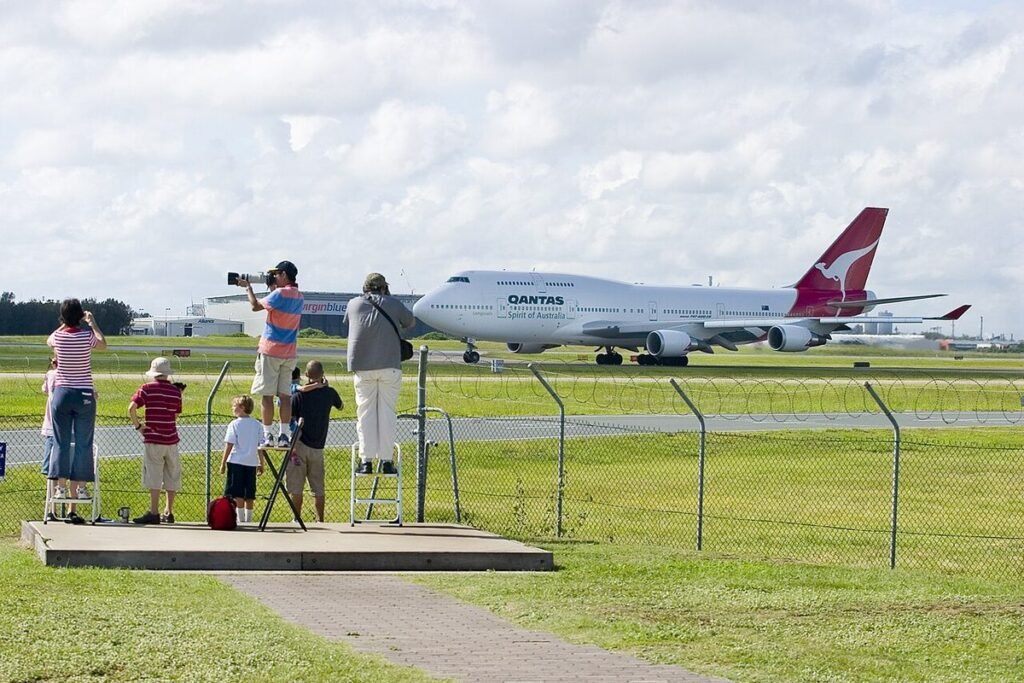

Plane spotting means watching, logging or photographing aircraft at and around airports, and getting started takes little more than a public viewing spot, a tracking app and the wind direction. Some spotters chase every registration they can, others collect airlines or rare types, and many just enjoy an afternoon of heavies on final. The gear can stay cheap for months; knowing where to stand and which runway is in use matters far more.
Registrations, types and liveries: the spotter’s log
Spotters log aircraft by registration, the unique tail number painted on every airframe. US aircraft start with N, Canadian ones with C, British with G, German with D, Mexican with XA, XB or XC. A typical log line holds the date, airport, registration, type, operator and sometimes the runway.
- Registration hunters try to see as many individual airframes as possible and “clear” whole fleets, every 737 of a given airline for example.
- Type collectors care about variety: an A220, an Embraer E2, a 747-8 freighter, a Dash 8.
- Livery fans follow special paint schemes, retro jets and sports team colors.
- Photographers treat the log as a byproduct and focus on light, angle and composition.
A notebook works, but most spotters now use a spreadsheet or an app such as Spotting Log. Searching a registration on JetPhotos shows the aircraft’s history in photos, including past operators and paint schemes.
Starter gear for the fence
You can spot with your eyes and a phone. When you want more, add gear in this order:
| Item | Why it helps | Typical cost |
|---|---|---|
| Binoculars, 8×42 or 10×42 | Read registrations on taxiing aircraft | About $100 to $300 |
| Airband radio or scanner | Hear tower and ground frequencies live | About $100 to $300 |
| Folding chair, water, sunscreen | Spots are often exposed, with no shade | Under $60 |
| Camera with 100–400mm zoom | Photos of landings and departures | Several hundred dollars used, more new |
| Portable battery pack | Tracking apps drain phones fast | About $20 to $50 |
In the US, listening to air traffic control on a receiver is legal; transmitting on aviation frequencies without the right license and reason is not. If you skip the radio, LiveATC streams many towers to your phone, with a short delay.
Apps that tell you what is coming
Tracking apps turn spotting from luck into planning. Flightradar24 and FlightAware show inbound flights with type and registration, and both let you filter by airport to see arrivals for the next hour. ADS-B Exchange shows unfiltered data, which is why military and government aircraft hunters prefer it. Most spotters keep one app on the map and set alerts for rare visitors: a special livery, a 747 diversion, a first visit by a new airline.
Airport arrival boards on the airport’s own website help too, and the schedule of widebody arrivals tends to repeat daily, so one evening of watching tells you when the heavies usually show up.
Reading the runway in use from the wind
Airplanes take their departure and landing roll into the wind whenever possible, because a headwind shortens the ground run. Runway numbers come from the magnetic heading divided by ten, so runway 25 points roughly 250 degrees, toward the west-southwest, and its opposite end is runway 7.
Pull the airport’s METAR before you leave. Take this example:
KLAX 231753Z 25012KT 10SM FEW020 21/14 A2996
Wind from 250 degrees at 12 knots means aircraft will land and depart on the 24 and 25 runways, coming in from the east over the city and leaving over the ocean. That tells you to stand east of the field for arrivals, and that a well-known spot such as the In-N-Out at LAX on Sepulveda will be busy. When the wind flips to the east, the whole picture reverses.
Two exceptions to keep in mind: in light winds, airports often use a preferred runway configuration for noise or traffic reasons, and some fields switch flows at night. LAX, for example, runs special noise procedures between midnight and 6:30 a.m. that change the usual flow, so a spot that works all afternoon may go quiet after midnight.
Airport rules, police and drones
In the US, photographing aircraft from public areas is legal, and most airports tolerate spotters as long as they stay out of restricted areas. The rules that matter in practice:
- Stay on the public side. Never climb, lean on or reach through a perimeter fence, and respect “no stopping” signs on airport roads.
- Expect to be checked. Airport police or security approaching a person with a long lens is routine. Be polite, explain that you are watching aircraft, show ID if asked, and the conversation is usually short.
- Check local programs. Some airports have spotter groups that work with airport police, such as the O’Hare Airport Watch in Chicago, which asks members not to livestream from city-owned airport property. Some airports require a photo permit for spots on airport property.
- Private property is private. Restaurant lots and hotel garages are open to customers, not to camping photographers; buy something and move on when asked.
- Never point a laser at an aircraft. It is a federal crime, and the FAA and FBI pursue those cases.
Drones are a separate matter. Near most commercial airports you are in controlled airspace, where the FAA requires recreational flyers to hold airspace authorization, usually through LAANC, and to have passed the TRUST test. Authorization close to the runway ends is rarely granted, so nearly every serious spotter leaves the drone at home.
Seasons, weather and local groups
Summer brings long evenings and more widebody traffic, but also heat shimmer over hot pavement that softens anything beyond a mile. Winter light stays low all day, which gives warm color at noon but puts the sun in your eyes on some spots. Overcast days are underrated for logging: no glare, no haze, and registrations are easier to read.
Wind also changes your plan mid-session. A front passing through can swing the flow from west to east in under an hour, so keep the METAR or a weather app handy and be ready to move.
Most big airports have a local spotter community, often organized on Facebook, Discord or a regional forum. Members share which runways are active, when a rare visitor is inbound, and which spots security currently tolerates. Joining one is the quickest way to learn the unwritten rules of your airport.
Spotter etiquette
- Share the fence. Leave room for others and avoid blocking views with tripods.
- Pack out trash. Spots disappear when neighbors complain about litter or parking.
- Credit and share: when someone tips you off about a rare arrival, return the favor.
- Keep conversations about incidents factual, especially around airport staff.
Your first day out
A good first session runs two to three hours in late afternoon, when widebody arrivals often bunch up and the light softens. Check the METAR, open the arrivals list, pick a spot under the approach on the arrival side, and log what you see. I still keep a running list on my phone of every type I have seen, and the A380 entry still feels better than most of my landings. Once photos become the goal, the next step is learning how to freeze a jet at 150 knots without blowing out a white fuselage.
FAQ
Is plane spotting legal in the US?
Yes, watching and photographing aircraft from public areas is legal in the US. Stay out of restricted areas, respect posted signs and private property, and expect occasional friendly questions from airport police.
Do plane spotters need a radio?
No, but an airband receiver or scanner makes spotting much more interesting because you hear clearances before aircraft appear. Listening is legal in the US, and LiveATC offers the same audio on a phone.
How do you know which runway planes will land on?
Check the wind in the airport's METAR, since aircraft land into the wind. A wind from 250 degrees means runways numbered around 24 or 25 are in use, though noise rules and preferred configurations can change that in light winds.
Can you fly a drone near an airport to film planes?
Near most commercial airports you are in controlled airspace, where recreational flyers need FAA authorization, usually through LAANC, plus a TRUST certificate. Authorization near runways is rarely granted, so spotters typically keep drones away from airports.
Keep exploring
- Plane SpottingAircraft Photo Websites: JetPhotos
- Plane SpottingCamera Settings for Plane Spotting Photos
- Plane SpottingBest Plane Spotting Spots at US Airports
- Air TravelFlight Delayed or Canceled? Your Refund Rights in the US
- Aviation CareersHow to Become a Flight Attendant: Requirements and Pay
- Aviation News & MediaBest Aviation Podcasts for Pilots and Fans
- Flight SimulatorsCan a Flight Simulator Help You Learn to Fly?